Product
We Have Dedicated Ourselves To The Wonderful World Of Stone.


Product
We Have Dedicated Ourselves To The Wonderful World Of Stone.
NEWS —
Category:
Knowledge
Release Time:
2025-07-24
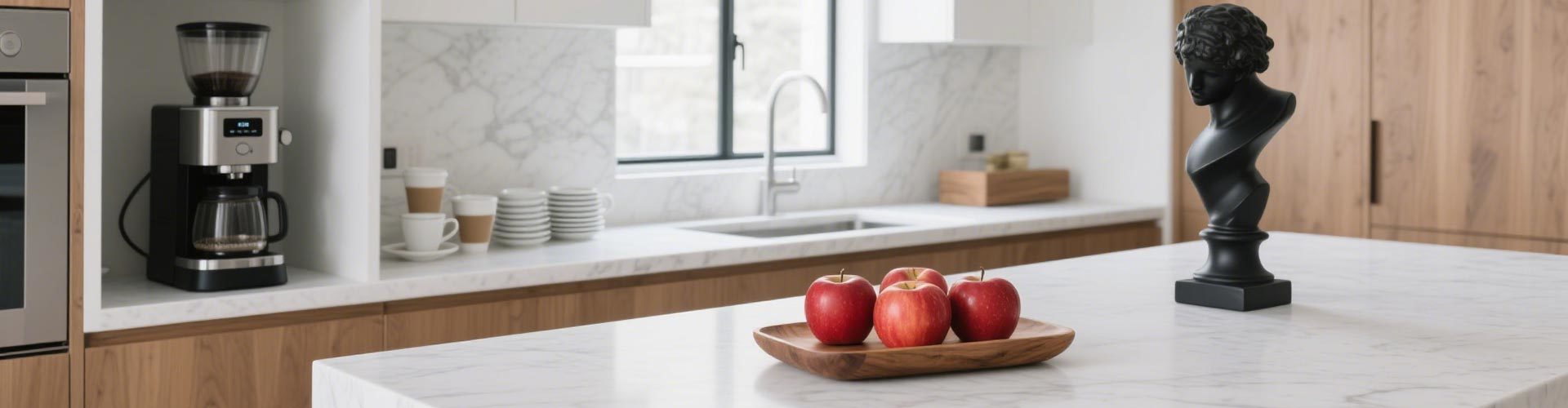
Quartzite is a metamorphic rock that is renowned for its durability and beauty, making it an exceptional choice for kitchen countertops and backsplashes. Formed from sandstone under high pressure and heat, quartzite exhibits stunning variations in color and pattern, offering homeowners a unique aesthetic that can complement a variety of design styles. As a natural stone, quartzite is not only appealing but also provides excellent performance in high-traffic areas like the kitchen.
Choosing quartzite slabs for your kitchen comes with a plethora of benefits:
Quartzite is incredibly durable, making it resistant to scratches, chips, and heat. Unlike softer stones, it can withstand the wear and tear of a busy kitchen environment, ensuring that your surfaces remain pristine for many years.
Each quartzite slab is one-of-a-kind, showcasing natural patterns and colors that range from deep blues and greens to soft whites and grays. This uniqueness allows homeowners to create a personalized look in their kitchens.
Compared to other natural stones, quartzite requires minimal maintenance. Regular sealing can enhance its durability, and simple soap and water cleaning is often sufficient to keep it looking fresh.
Quartzite is naturally resistant to heat and stains, making it an ideal surface for cooking and food preparation. Hot pots and pans can be placed directly on its surface without fear of damage.
Incorporating quartzite slabs into your kitchen design opens up a world of possibilities:
Quartzite makes for breathtaking countertops that serve as the centerpiece of your kitchen. The variety of colors and patterns allows you to match the countertops with cabinetry and flooring seamlessly.
Using quartzite for backsplashes adds an elegant touch to your kitchen. The reflective surface can enhance natural light, making your space feel more open and inviting.
For those looking to create a functional and stylish kitchen island, quartzite is an excellent choice. A large slab can be used to create an impactful island that serves as a gathering space for family and friends.
Installing quartzite slabs requires professional expertise to ensure proper handling and placement:
Start by visiting a stone supplier to select the perfect quartzite slab for your kitchen. Consider factors like color, pattern, and thickness during your selection process.
Once the slab is chosen, precise measurements are taken, and templates are created to guide the cutting process. This step is crucial for achieving a perfect fit.
The slabs are then cut to size using specialized equipment. This process may involve creating cut-outs for sinks and cooktops.
Professionals will carefully transport the slabs to your kitchen and install them, ensuring that they are level and properly aligned. The seams between slabs are filled to create a seamless look.
To maintain the beauty and functionality of your quartzite surfaces, follow these maintenance tips:
Wipe down quartzite surfaces with a mild soap and water solution to prevent the buildup of dirt and grime. Avoid harsh chemical cleaners that can damage the surface.
Although quartzite is naturally resistant to stains, applying a sealant every few years can enhance its protective qualities and prolong its lifespan.
While quartzite is durable, using cutting boards and trivets can help avoid scratches and maintain the surface's integrity.
When budgeting for quartzite slabs, consider the following factors:
Quartzite slabs can range in price depending on the quality, color, and rarity. Higher-end options will typically cost more.
Professional installation is recommended for quartzite due to its weight and fragility. Installation costs vary based on the complexity of the job and local labor rates.
While the upfront cost may be higher than other materials, the durability and low maintenance requirements of quartzite make it a cost-effective choice in the long run.
Understanding how quartzite compares to other natural stones can help you make an informed choice:
Both stones are durable, but quartzite tends to be harder and more resistant to scratches. Granite offers a broader range of colors but may require more maintenance.
While marble is known for its elegance, it is softer and more prone to scratches and stains compared to quartzite. Quartzite offers a similar aesthetic without the high maintenance demands.
Transforming your kitchen with stunning quartzite slabs not only elevates its aesthetic appeal but also enhances functionality and durability. With its unique patterns and colors, quartzite is a natural choice for homeowners looking to create a beautiful and resilient kitchen space. By understanding the installation process, maintenance requirements, and cost considerations, you can confidently incorporate quartzite into your next kitchen remodel.
A1: Quartzite can be more expensive than granite, depending on the quality and rarity of the stone. However, its durability and low maintenance needs can make it a worthwhile investment.
A2: Yes, quartzite is suitable for outdoor applications due to its durability and resistance to weather elements.
A3: It is recommended to seal quartzite countertops every 1-2 years to maintain their protective qualities.
A4: While quartzite is durable, it is advisable to use cutting boards to avoid scratches and preserve its appearance.
A5: Quartzite comes in a wide range of colors, including white, gray, blue, green, and even multi-colored options, allowing for diverse design possibilities.
Key Words:
quartzite slabs for kitchen countertops
Related News
WhatsApp:+8615860724402
ADdd: Unit 1213-3, Huangda Building, Siming District, Xiamen, China
WEBSITE:www.srstonegroup.com
EMAIL:emily@srstonegroup.com


Follow Us
Copyright © SUN RISE STONE GROUP