How to Care for Your Quartzite Slabs in the Kitchen
Understanding Quartzite: The Ideal Kitchen Surface
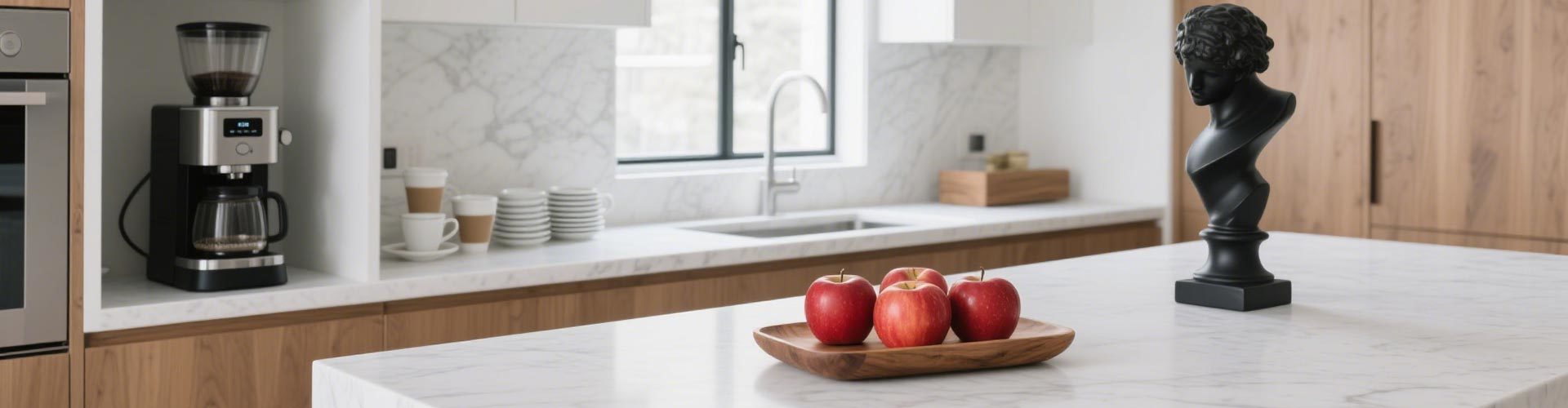
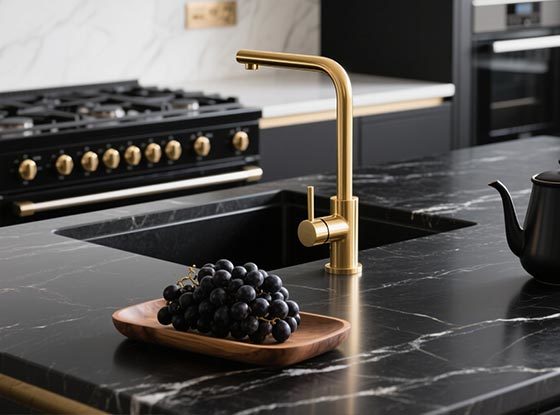
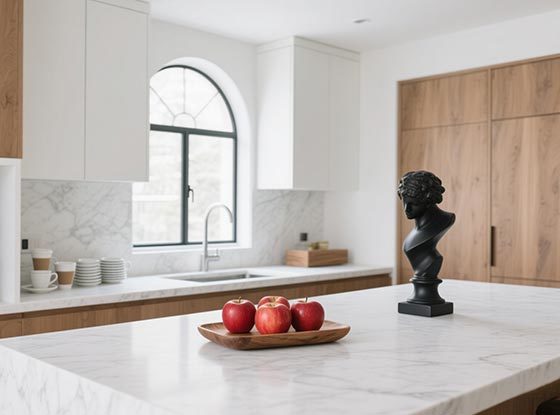
Quartzite is a natural stone known for its stunning aesthetics and exceptional durability. Composed mainly of quartz, this metamorphic rock is an ideal choice for kitchen countertops, backsplashes, and other surfaces. Its unique appearance mimics that of marble, making it highly desirable for homeowners who appreciate elegance and sophistication. However, to maintain its beauty and functionality, proper care is essential.
Why Proper Care for Quartzite Matters
The significance of caring for quartzite slabs cannot be overstated. While quartzite is less porous than granite and more durable than marble, it is not completely immune to damage. Over time, neglect can lead to scratches, stains, and dullness, diminishing its aesthetic appeal. By implementing effective care strategies, homeowners can ensure their quartzite surfaces remain vibrant and functional.
Daily Cleaning: Keeping It Fresh
One of the most critical aspects of caring for quartzite slabs is maintaining a regular cleaning routine. Here are the steps to ensure your quartzite stays gleaming:
1. Use Gentle Cleaners
Opt for a **pH-balanced cleaner** specifically formulated for natural stone. Avoid acidic or abrasive cleaners, as they can etch or dull the surface over time. A mild dish soap mixed with warm water is usually sufficient for daily cleaning.
2. Soft Cloths and Sponges
When cleaning your quartzite, always use soft cloths or non-abrasive sponges. Rough materials can scratch the surface, leading to a dull finish. Microfiber cloths are an excellent option for both cleaning and drying.
3. Wipe Up Spills Immediately
Quartzite is relatively stain-resistant, but it’s still wise to wipe up spills as soon as they occur. Liquids like wine, coffee, and acidic foods can potentially stain the surface if left unaddressed.
Weekly Maintenance: Deep Cleaning Your Quartzite
Incorporating a weekly deep-cleaning routine will help maintain your quartzite’s luster and resilience.
1. Create a Cleaning Solution
Mix a solution of **equal parts water and vinegar** for a natural deep cleaner. While vinegar is acidic, when diluted, it can effectively remove surface grime without harming the stone.
2. Scrubbing with Care
Use a soft-bristled brush or a sponge to scrub the surface. Pay attention to corners and edges where dirt may accumulate. Rinse thoroughly with water to remove any residue.
3. Rinse and Dry
After cleaning, make sure to rinse the surface with clean water to avoid any buildup. Use a soft, dry cloth to wipe down the surface, preventing water spots.
Preventing Damage to Your Quartzite Slabs
While quartzite is durable, certain practices can help prevent damage and prolong its life.
1. Regular Sealing
Sealing your quartzite is crucial, as it enhances its resistance to stains and damage. Depending on the type of quartzite and usage, resealing every six months to one year is recommended. Use a high-quality stone sealer that penetrates the surface.
2. Use Cutting Boards
Although quartzite is scratch-resistant, using cutting boards protects the surface from potential scratches and cuts. Avoid cutting directly on the stone, as sharp objects can still leave marks.
3. Avoid Hot Pots and Pans
Always use trivets or hot pads to prevent thermal shock. Extreme temperature changes can cause cracking or discoloration. The heat from pots can lead to permanent damage if not managed properly.
Dealing with Stains: Quick Solutions
Even with proper care, stains may occur. Knowing how to handle them can save your quartzite from irreversible damage.
1. For Oil-Based Stains
Create a paste using baking soda and water, apply it to the stain, and cover it with plastic wrap. Leave it for 24 hours, then rinse and wipe clean. This method effectively lifts oil-based stains.
2. For Food Stains
Mix hydrogen peroxide with a few drops of dish soap, apply it to the stained area, and let it sit for about 10 minutes before rinsing. This solution can help eliminate food-related stains without harming the quartzite.
3. For Hard Water Stains
If hard water stains are present, a mixture of vinegar and water can be effective. Spray it on the stain, let it sit for a few minutes, then wipe away with a soft cloth.
Long-Term Care: Ensuring Longevity
To maintain your quartzite slabs over the long term, certain practices should be integrated into your routine.
1. Professional Cleaning
Consider hiring a professional stone care service once a year. They can deep clean and restore the surface, ensuring it looks as good as new.
2. Regular Inspections
Periodically inspect your quartzite for any signs of damage or wear. Catching issues early can prevent more significant problems later.
3. Educate Your Family
Inform family members about the proper care of quartzite. Teaching everyone how to clean and maintain the surfaces helps ensure consistent care.
Common Misconceptions About Quartzite Care
Understanding quartzite can help homeowners avoid pitfalls in care and maintenance.
1. Myth: Quartzite is Indestructible
While quartzite is durable, it is not impervious to damage. Regular care is essential to ensure its longevity.
2. Myth: Sealing is Optional
Sealing your quartzite is not optional; it is a necessary step in protecting the stone from stains and damage.
3. Myth: All Cleaners are Safe
Not all cleaners are suitable for quartzite. Avoid acidic or abrasive cleaners that can cause permanent damage.
Frequently Asked Questions (FAQs)
1. How often should I seal my quartzite countertops?
We recommend sealing quartzite countertops every six months to one year, depending on usage.
2. Can I use bleach to clean quartzite?
No, bleach can damage quartzite. Stick to pH-balanced cleaners.
3. What should I do if my quartzite is scratched?
For minor scratches, you can use a fine-grit sandpaper to buff the area gently, followed by polishing.
4. Are quartzite slabs heat-resistant?
Yes, quartzite is heat-resistant, but it's essential to use trivets or hot pads to prevent thermal shock.
5. Can I use vinegar for regular cleaning?
It's best to avoid vinegar as a regular cleaner; use it sparingly and only when diluted in a cleaning solution.
Conclusion
Caring for your quartzite slabs in the kitchen is essential for maintaining their beauty and functionality. By adopting a proactive cleaning and maintenance routine, investing in proper sealing, and being mindful of potential damage, homeowners can enjoy their quartzite surfaces for years to come. Implement these expert tips to ensure that your quartzite slabs remain a stunning centerpiece in your kitchen, reflecting both elegance and durability.
quartzite slabs for kitchen countertops